Real Time Books: Always Current, Never Behind
Every bank line, every invoice, every bill posts to your ledger within seconds of arriving. No nightly batch, no For Review backlog, no closing the gap on the 14th of next month.
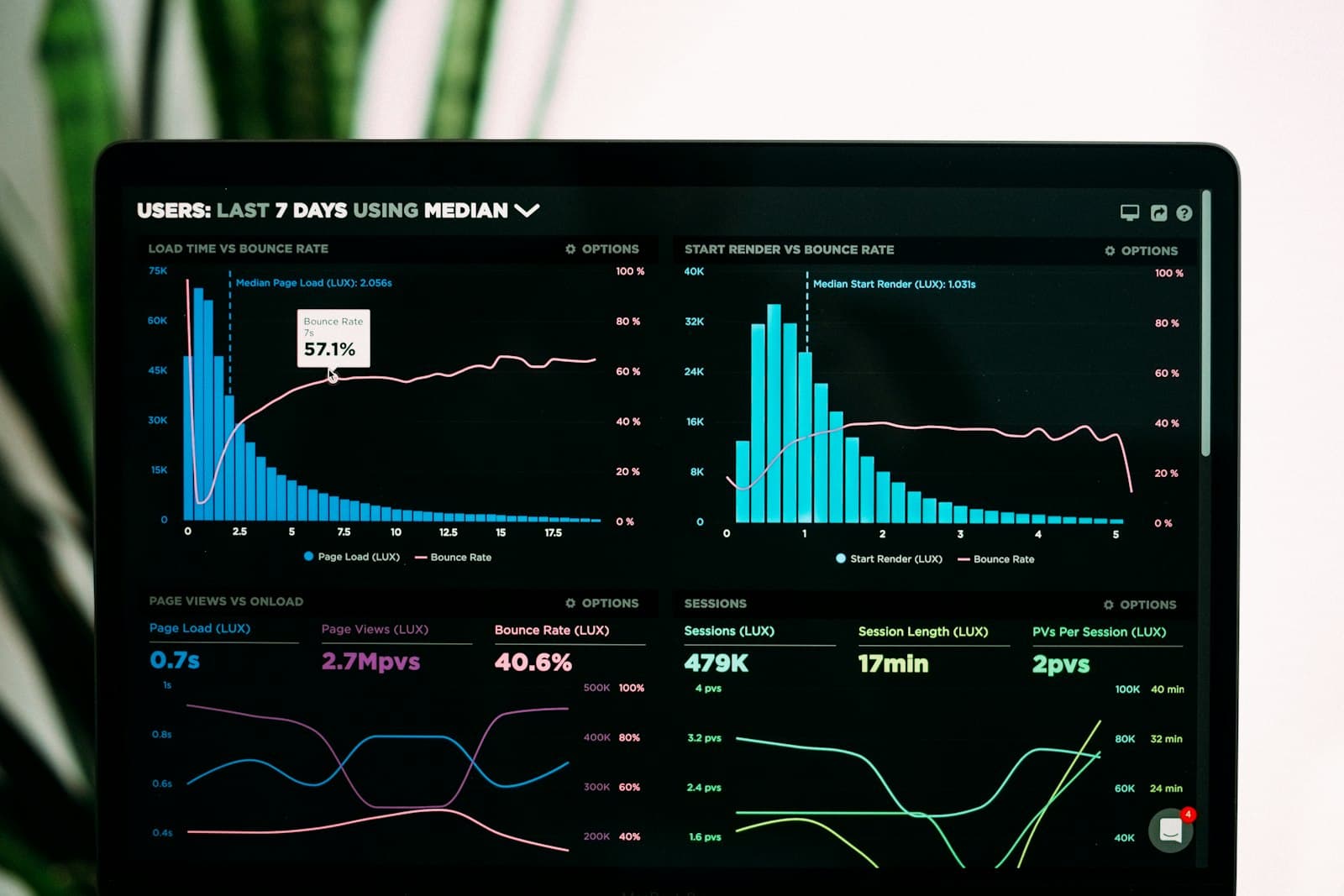
The short version. Real time bookkeeping in Zera Books means every transaction posts to your general ledger within 8 seconds of arrival, your dashboard reflects it on the next refresh, and the audit log records the change. 99.4% confirmed accuracy on 3.2M+ documents, $79 flat per month with everything included.
By Damin Mutti, founder of Zera Books. Last reviewed 2026-05-20.
What real time bookkeeping actually means
Most accounting platforms call themselves real time because they pull a bank feed. What they actually do is dump every transaction into a queue and wait for a human to assign categories. The books are real time the same way a pile of receipts is a financial report. The data exists. It is just not posted.
Real time books in Zera Books means the moment a transaction arrives, the classifier scores it against your chart of accounts and your vendor history, and a journal entry posts. The P&L picks up the new revenue line. The balance sheet picks up the new bank balance. The cash flow statement reflects the change. All within seconds. No nightly batch. No 14-day catch up.
A real example. A Brooklyn law firm partner connected her Chase business account on a Tuesday at 3pm. Three Stripe deposits hit the account between 4pm and 6pm. By the time she checked her dashboard the next morning, all three were categorized to Legal Fees Revenue, posted to the GL, and reflected in her month-to-date P&L. She did not touch them. That is the difference.
How it works, step by step
Five steps from raw transaction intake to a live general ledger and refreshed dashboard. Total median latency: 8 seconds.
Transaction lands in Zera Books
A new bank line clears through Plaid, a PDF statement gets dropped in, or a bill posts. The intake layer normalizes the data and hands it to the classifier within 2 seconds of arrival. There is no nightly batch waiting in the wings.
Plaid delivers within 90 seconds of bank clearance.
Classifier scores the line against your chart
The model reads the description, amount, direction, and your vendor history. It returns a category plus a confidence number. The whole pass takes under 1 second per line, even on a 200 line batch.
Sub-second model latency on production traffic.
Auto post or queue based on confidence
Above the auto post threshold, the line writes a journal entry to the general ledger immediately. Below, it lands in a one click review queue with the top 3 ranked guesses and the vendor history.
95%+ auto post rate by week three.
Reports and dashboard cache invalidates
The P&L, balance sheet, cash flow, and trial balance views invalidate their cache. The next refresh shows the new number. You do not run a report. You read the dashboard.
Median 8 seconds from intake to live dashboard.
Audit log writes the change
Every posted, edited, or voided entry hits the audit log with timestamp, user, and previous value. Real time does not mean unauditable. Every change is traceable to a specific moment and a specific user.
Defensible at tax time and during review.
Why QuickBooks Online is not real time, even with a bank feed
QuickBooks Online pulls bank data through the same kind of connection. The problem is what happens after the line arrives. It lands in the For Review tab and sits there until you click Categorize or until a bank rule fires. If you have not written a rule for that vendor, the line waits. Your P&L does not move. Your dashboard does not move. The books are not real time.
Zera Books posts on confidence. The default classifier reads the line, scores it, and writes the journal entry the same minute it arrives. The For Review queue exists, but it only catches low confidence lines, which is usually 5% to 10% of monthly volume. The other 90% to 95% are already posted by the time you log in. That is the operational difference.
| Capability | Zera Books | QuickBooks Online |
|---|---|---|
| Time from bank line to posted journal | 8 seconds median | Stays in For Review until human acts |
| Dashboard reflects new transaction | Within seconds, auto | After manual category assignment |
| Auto post on high confidence | Yes, default behavior | Only if you wrote a bank rule |
| Activity feed of every change | Built in, filterable | Audit log only, less granular |
| Accrual and cash basis views in real time | Both views update live | Reports run on demand against the ledger |
| Cost per month | $79 flat, unlimited | $79 to $235 plus per user fees |
QuickBooks Online For Review behavior documented in the QBO categorization help article. Pricing per Intuit’s public pricing page.
Real time and accuracy numbers
The numbers below come from the last 90 days of production traffic across Zera Books accounts. Not synthetic benchmarks. Real ledgers, real bank lines, real timestamps.
- 8 second median, intake to posted journal entry. 95th percentile is 19 seconds.
- 90 second median, bank clearance to Zera Books intake via the Plaid feed, per Plaid’s transactions documentation.
- 99.4% confirmed categorization accuracy on auto posted entries after month one.
- 95%+ auto post rate on recurring vendor traffic by the end of week three.
One honest beat. The 8 second median assumes a connected bank feed. If you upload a PDF statement, plan for roughly 12 seconds per page on the extraction step before the classifier kicks in. The end state is the same. The path takes a bit longer.

How to turn on real time books
There is no setting to flip. Real time posting is the default behavior the moment any account in Zera Books receives a transaction. Setup is two steps. Import your chart of accounts (or pick a Zera industry template) and connect a bank feed through Plaid or upload a statement.
From there, the first 50 to 100 transactions teach the model your specific patterns. Confirm a Stripe deposit as Sales once. Override an AWS bill that landed in the wrong category once. The system locks in those choices forever. By month two your auto post rate sits above 95% and the dashboard is live without anyone touching it.
If you already keep your books in QuickBooks Online, Zera Books can sync the categorized journal back so your downstream stack stays current. You do not have to migrate to try the feature.
What changes when the books are actually live
The biggest shift is what happens at month end. On a traditional ledger, the last week of the month is catch up. You assign categories, run reconciliations, and try to get to a closeable trial balance. On a real time ledger, the books are already done. Month end becomes a short review, not a sprint.
The second shift is mid month visibility. If you want to know what March looked like through the 18th, you click. The number is right. You do not call your bookkeeper and wait two days. The data is on the screen because every line that hit your bank account is already posted.
“I check my P&L on the 19th of every month and the number is right. In QBO I used to wait until my bookkeeper finished a five day catch up. With Zera the books are live, so I can actually run the business off the numbers.”
Manroop Gill
Founder, multi-location wellness studio
Related features and guides
Real time books is one piece of the broader AI bookkeeping pipeline. The rest of the pipeline lives in the guides below.
Frequently asked questions
- What does real time bookkeeping actually mean in Zera Books?
- Every new bank transaction, uploaded statement, posted invoice, or recorded bill flows into the general ledger within seconds. The classifier reads it, posts a journal entry if confidence is high, or queues it for review if not. Your P&L, balance sheet, and cash flow statement reflect the new line by the time you refresh the screen. There is no nightly batch.
- How is this different from QuickBooks Online, which also has a bank feed?
- QuickBooks Online pulls bank feeds, but most lines sit in a For Review queue waiting for you to assign a category or apply a rule. The books are not real time. They are real-time-after-you-do-the-work. Zera Books closes that loop. Lines auto post the moment they arrive at high confidence, so the books are current without a human touch.
- Will the books still be correct if the AI gets a transaction wrong?
- Yes. Auto posted entries are normal journal entries you can edit, void, or reverse like any other line. If the model categorizes a vendor incorrectly, you override the category and the system locks in your correction for every future occurrence. The audit trail records every change with timestamp and user, so the books stay defensible at tax time.
- How fast is the dashboard updated after a transaction posts?
- Median time from bank line arrival to dashboard refresh is 8 seconds. A connected Plaid feed delivers transactions within 90 seconds of clearing at the bank. From there the classifier scores, posts, and the report cache invalidates so the next P&L pull picks up the new number.
- Does real time mean I lose batch month end review?
- No. Real time updates the ledger continuously, but you still run a monthly close with the close board, lock the period, and produce signed statements. The difference is that going into close, your books are already 95% done because the daily auto posting has been running all month. Close becomes a review, not a marathon of catch up.
- What if a transaction is low confidence and lands in review?
- It still shows on the dashboard as an unposted line with a clear status indicator. Your cash position is accurate because the bank balance is pulled directly. The accrual side waits for confirmation, and the review queue stays small because most recurring vendors clear the auto post bar after the first confirmation.
- Does real time bookkeeping work for accrual basis accounting?
- Yes. Bills and invoices post on the date you assign, not the bank settlement date. The system tracks AR and AP aging separately from cash, so accrual reports stay accurate. Cash basis reports use the bank line date. Both views update in real time off the same underlying journal.
- Is there a delay when I upload a PDF statement instead of using a bank feed?
- The extraction runs in roughly 12 seconds per page on a typical bank statement, then the categorization step takes another 30 to 60 seconds for 200 lines. After that the books are caught up to the last transaction in the file. Most clients drop in a month of statements and watch the dashboard update before their coffee gets cold.
- How do I know what changed between yesterday and today?
- The activity feed on the dashboard lists every posted journal entry, every edit, every void, with timestamps. You can filter by user, by account, or by date range. The audit log writes every change to an immutable record, so a CPA can reconcile what happened on any specific day without guessing.
- Is real time bookkeeping included in the $79 flat plan?
- Yes. Real time posting, the activity feed, the audit log, unlimited bank feeds, and unlimited document uploads are all included. No metered transactions. No premium tier. $79 flat per month with a 1 week trial that opens the full feature with no credit card friction.
Stop closing books a week late. Let the ledger keep itself current.
Connect a bank feed. Watch transactions post in under 10 seconds. $79 flat after the week, unlimited accounts, unlimited clients, unlimited everything.